

In Denver's competitive real estate market, bridge loans offer flexibility for buyers and renovators. These short-term, high-interest loans bridge property purchases and renovation funding gaps until long-term financing is secured. Key types include hard money loans, construction loans, and personal lines of credit with varying rates and terms. Successful navigation requires strategic planning, thorough preparation (financial disclosures, clear project plan), and understanding lender requirements for competitive terms. Homeowners should weigh bridge loans vs. refinancing based on urgent needs, renovation costs, savings, and long-term financial goals. Researching experienced Denver bridge loan lenders enhances the process and potential for favorable terms.
In the dynamic real estate landscape of Denver, navigating the intricate paths of purchase and renovation can be a formidable challenge for prospective homeowners. The financial hurdles, particularly when bridging the gap between acquisition and renovation funding, often prove to be a significant obstacle. This article delves into the crucial role that bridge loans play in Denver’s vibrant market, offering a strategic solution for those seeking to transform their property aspirations into reality. By exploring the intricacies of these financial instruments, we aim to empower readers with the knowledge to make informed decisions, ensuring a seamless transition from house hunting to home renovation.
- Understanding Bridge Loans in Denver: A Key Financing Tool
- Assessing Your Renovation Project's Financial Feasibility
- Exploring Bridge Loan Types and Lenders in Colorado
- Renovations vs. Refinancing: Choosing the Best Option for You
- Navigating the Application and Approval Process for Denver Bridge Loans
Understanding Bridge Loans in Denver: A Key Financing Tool
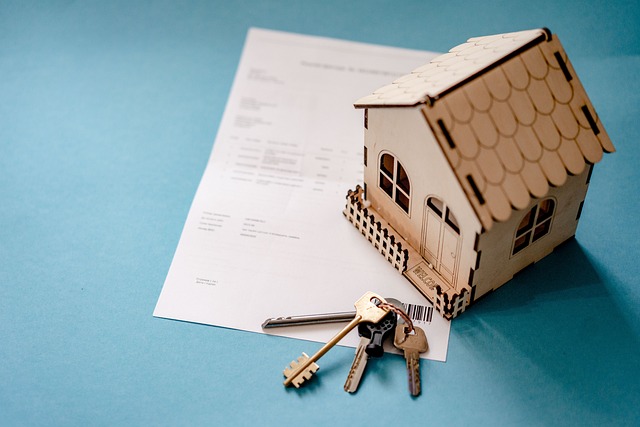
In the competitive real estate market of Denver, understanding various financing tools is crucial for both buyers and renovators. Among these, bridge loans have emerged as a key strategy, offering flexibility and quick access to capital. A Bridge Loan Denver is a short-term financing option designed to fill the gap between the purchase of a new property and the realization of equity from the sale of an existing one. This type of loan is particularly beneficial in a city like Denver, where rapid appreciation can make traditional mortgages less accessible for those looking to upgrade or invest.
These loans are typically structured as short-term, high-interest loans secured against the new property being purchased. Lenders in Denver offer bridge loans with terms ranging from a few months to a year, providing borrowers with enough time to sell their current property or secure permanent financing. For instance, a homeowner looking to buy a larger home might use a bridge loan Denver to cover the down payment and immediate living expenses while waiting for the sale of their existing residence. This approach allows for seamless transitions between properties without the financial constraints that often accompany real estate transactions.
Data from local real estate trends reveals that bridge loans have gained popularity in Denver due to the city’s dynamic market conditions. According to recent reports, over 30% of homebuyers in Denver utilize bridge financing during their property search, highlighting the significant role these loans play in facilitating smoother and faster real estate moves. To ensure a successful experience with a bridge loan Denver, borrowers should prioritize open communication with lenders regarding terms, rates, and potential fees. Additionally, maintaining meticulous financial records will streamline the repayment process once the borrower’s permanent financing is secured.
Assessing Your Renovation Project's Financial Feasibility

When considering a renovation project, assessing its financial feasibility is paramount to ensuring success. This involves a thorough evaluation of your budget, timelines, and potential returns on investment. A bridge loan Denver offers can serve as a strategic tool during this process, providing temporary funding to cover immediate expenses while long-term financing options are secured.
To begin, conduct a detailed cost analysis, factoring in labor, materials, permits, and unexpected expenses. Compare these costs against similar renovation projects in your area to gauge market rates. For instance, according to recent data from the National Association of Home Builders, the average cost of a minor kitchen remodel ranges between $17,204 and $36,554. This baseline information can help you establish a realistic budget and identify potential areas for cost-saving measures.
Additionally, assess your project’s timeline and align it with available funding options. Bridge loans typically offer shorter-term financing, making them suitable for projects expected to be completed within 12 months or less. Ensure that your renovation plans are feasible within this timeframe to maximize the efficiency of a bridge loan Denver providers offer. For example, if you’re planning a full house renovation, break down tasks into phases to manage cash flow effectively and avoid stretching one loan over an extended period.
Before securing funding, consult with financial experts or contractors who specialize in renovations. They can provide valuable insights tailored to your project’s unique needs. This expert advice may help you refine your plans, negotiate better rates with contractors, and make informed decisions regarding financing options, including bridge loans Denver has available. By carefully assessing these factors, you’ll be well-equipped to embark on a renovation that aligns with both your financial capabilities and project goals.
Exploring Bridge Loan Types and Lenders in Colorado

In the dynamic real estate market of Colorado, particularly within the bustling hub of Denver, exploring bridge loan types and lenders is a strategic move for both buyers and renovators. A bridge loan Denver serves as a short-term financing solution, enabling individuals to purchase property and fund renovations before securing traditional long-term financing. This approach is especially beneficial in competitive markets where quick decisions are often required. The primary types of bridge loans available include hard money loans, construction loans, and personal lines of credit.
Hard money lenders in Denver specialize in providing fast, private funding for real estate transactions. These loans are typically structured as second mortgages and offer flexible terms, but come with higher interest rates and fees compared to conventional loans. For instance, a recent study showed that hard money loan rates in Denver average around 10-12% annually, with origination fees ranging from 2-5% of the loan amount. Construction loans, on the other hand, are ideal for renovation projects, as they provide funding in phases aligned with the project’s progress. These loans can be a game-changer for those looking to revitalize older properties, but they often require more extensive documentation and may have penalty fees for early repayment.
When exploring bridge loan options in Denver, it is crucial to engage with reputable lenders known for their transparency and competitive terms. Conducting thorough research, comparing rates and terms, and understanding the specific requirements of each loan type are essential steps. Additionally, borrowers should consider the flexibility of repayment terms and the absence of prepayment penalties, which can save costs in the long run. By carefully selecting a bridge loan Denver provider, individuals can navigate the real estate landscape with confidence, securing the necessary funding to turn their property renovation dreams into reality.
Renovations vs. Refinancing: Choosing the Best Option for You

When considering funding for a home renovation project in Denver or beyond, one of the key decisions homeowners face is whether to renovate or refinance. This choice can significantly impact your financial situation and overall experience. Herein lies the conundrum: should you tap into equity with a bridge loan Denver lenders offer, or restructure your mortgage? The answer lies in understanding the unique advantages and disadvantages of each option.
Renovations often require substantial upfront costs, especially for major transformations. A bridge loan can bridge this gap by providing immediate funding. For instance, if you plan to remodel your kitchen, a bridge loan Denver residents utilize might cover materials, labor, and even temporary housing during the renovation period. This option is ideal when equity access is limited or when there’s a pressing need to embark on a project without delay. However, it’s crucial to consider that these loans typically have shorter terms and higher interest rates compared to traditional mortgages.
On the other hand, refinancing involves replacing your existing mortgage with a new one, potentially at a lower interest rate. This strategy can save money in the long run but may not offer immediate liquidity for renovations. Let’s say your current mortgage has a high-interest rate, and you want to remodel your bathroom. Refinancing could reduce your monthly payments, freeing up disposable income that might otherwise go towards renovation costs. However, refinancing processes can be lengthy and may require home equity as collateral, ensuring lenders mitigate their risk.
The choice between renovating and refinancing depends on individual circumstances. A bridge loan Denver’s financial institutions offer is suitable for urgent or costly renovations with limited savings. Refinancing, however, is a strategic move for long-term cost savings and debt management. Consulting with mortgage specialists and financial advisors can help homeowners make informed decisions, ensuring they tap into the most appropriate funding source for their specific renovation needs and financial goals.
Navigating the Application and Approval Process for Denver Bridge Loans

Navigating the application and approval process for Denver bridge loans involves a careful balance of financial strategy and strategic timing. Bridge loans Denver are short-term financing solutions designed to fill gaps in funding between purchases or renovations, offering flexibility when traditional lending options may be limited. The process begins with thorough preparation, including detailed financial disclosures and a clear project plan. Prospective borrowers should anticipate gathering essential documents such as tax returns, bank statements, and appraisals, demonstrating their creditworthiness and the project’s viability.
Upon submitting an application, lenders will conduct a comprehensive review, examining both the borrower’s financial health and the project specifics. This evaluation includes assessing the property value, renovation scope, and potential return on investment. In Denver, where real estate is competitive, borrowers should be prepared to offer competitive terms or a strong down payment to bolster their application. According to recent data, successful bridge loan applications in Denver often involve lenders who are willing to negotiate and adapt their criteria based on market conditions and the borrower’s unique circumstances.
For instance, a homeowner looking to renovate an older property might require a bridge loan to cover initial costs while waiting for permanent financing. A lender in Denver with experience in such cases would consider factors like potential property value increase post-renovation and the borrower’s history of successful projects. This collaborative approach ensures that both parties are aligned, increasing the likelihood of a positive outcome. Borrowers are advised to research lenders with a proven track record in Denver bridge loans, ensuring a smoother process and potentially better terms.
By thoroughly understanding bridge loans Denver offers as a financial tool, homeowners can make informed decisions regarding renovation projects. Assessing project feasibility, exploring different loan types, and comparing options like bridge loans versus refinancing are essential steps. The application process for bridge loans in Denver is manageable when approached strategically. This article equips readers with the knowledge to navigate this process successfully, ensuring they secure optimal funding for their renovation endeavors. Moving forward, considering a bridge loan Denver lenders provide can be a game-changer for those looking to transform their homes without breaking the bank.